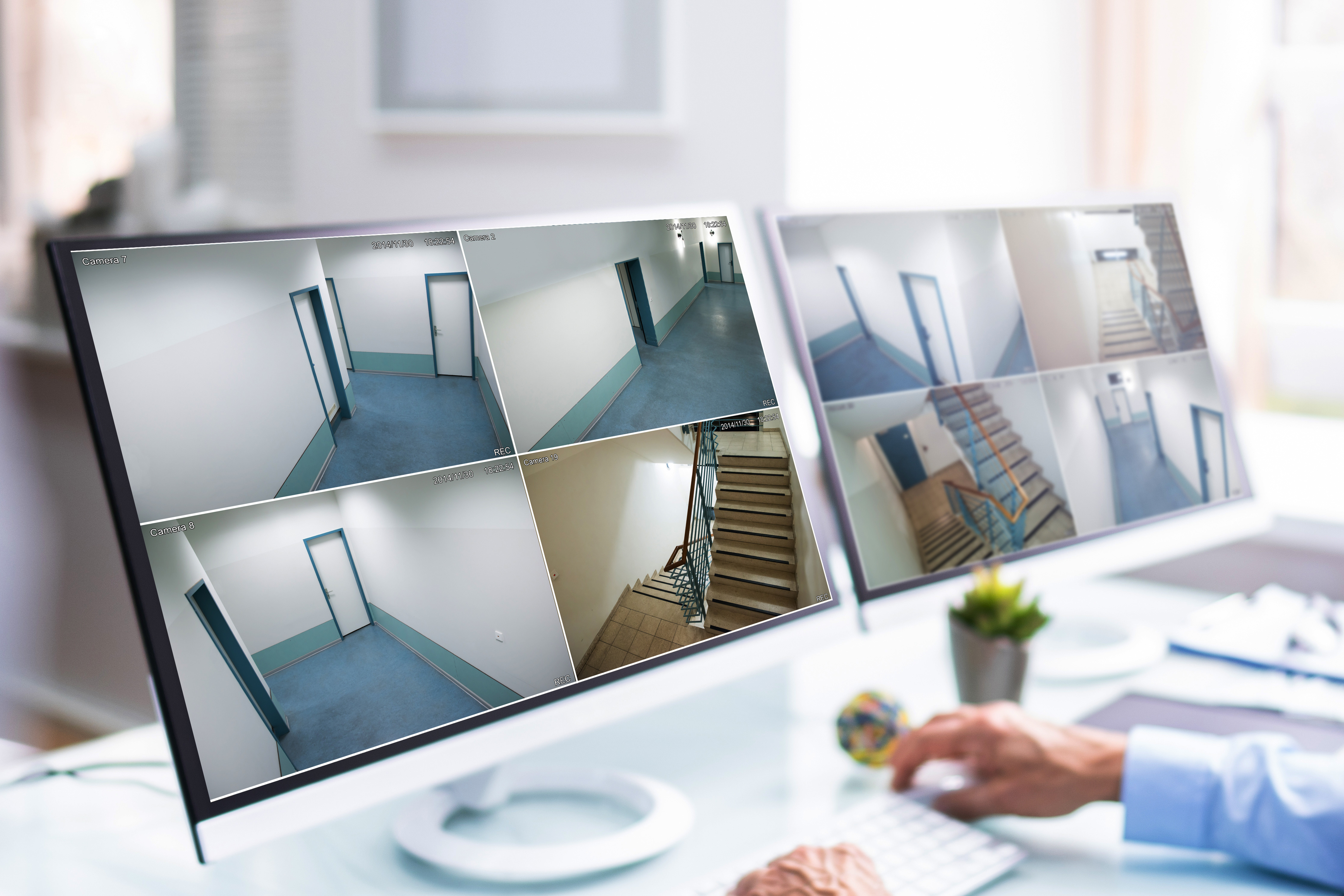

An alarm tells you that something happened, while video tells you what happened. This distinction has become one of the biggest drivers of change in modern security monitoring—and as more organizations deploy full-scale security systems that encompass cameras, AI analytics, and connected devices, it's increasingly clear that simply receiving an alarm notification is no longer good enough.
But in order to filter and act on events, security teams need immediate context to determine whether an event requires emergency response or can be safely dismissed. This is where alarm video monitoring comes in: by combining intrusion detection with camera access, trained monitoring agents can verify events in real time. Pairing alarm data with visual evidence allows organizations to reduce false alarms, make faster and more informed dispatch decisions, and deliver better outcomes for customers.
Here, we're demystifying alarm video monitoring—what it is, how it works, and why combining alarm data with video context has become an essential piece of modern security workflows.
What Is Alarm Video Monitoring?
Alarm video monitoring combines traditional alarm signals (like sensors) with video recording. These recordings are sent to professional monitoring centers, where trained agents review the footage to assess whether the event represents a true security threat.
This means security cameras aren't just passively recording—they're an integral part of the alarm verification process. Noonlight data shows that 99.4% of alarm events aren't emergencies, making it more important than ever to filter through false alarms and ensure emergency services are dispatched only for true emergencies.
How Alarm Video Monitoring Works
While the exact alarm and video monitoring process varies depending on the security product and provider, here's an overview of how it works for systems using Noonlight's Verify API.
1. Alarm event occurs
An alarm event is created when an "armed" system is triggered. Once activated, the security product calls the Verify API and sends the video clip associated with the event.
2. Monitoring agents review footage
Noonlight-trained agents review the available footage via a video monitoring API to assess the threat level. If needed, agents can access live camera views, microphones, or previously recorded footage to make a more informed decision about whether the event represents a true emergency.
3. Action is taken
Agents then verify whether the alarm requires action. False alarms caused by routine activity, shadows, stray animals, or passersby are filtered out without disruption to the user.
True emergencies, like break-ins, theft, or other suspicious activity, trigger our Dispatch API, and local emergency responders are dispatched. Video alarms typically receive priority response based on the verification provided.
Why Traditional Alarm Systems Are No Longer Enough
While traditional alarm systems can be an effective deterrence tool, signals that rely solely on sensor data, such as motion or door, can’t provide the context needed to verify whether an alarm poses an emergency. The door could have been opened by an employee arriving early, while the motion could’ve been the family cat—context that's only available with the aid of video.
Operating without the added context of video verification can lead to delayed decisions by monitoring agents and 911 operators, along with unnecessary dispatches for events that turn out to be false alarms. With more municipalities requiring alarms to be verified before dispatching emergency services, alarm verification is no longer a "nice-to-have"—it's an essential part of modern security workflows.
Traditional vs. Modern Monitoring
Modern video monitoring looks very different from the traditional CCTV systems that defined the security industry for decades. Here's how.
Traditional Monitoring Features
- Reactive review
- Fixed location
- Limited integration
- Passive recording
Modern Monitoring Features
- AI detection
- Event-based video monitoring
- Live video access
- Verified response
- Easy integration
Who Uses Alarm Video Monitoring?
Alarm video monitoring can benefit almost any organization that needs to respond quickly to security events. It's especially valuable for locations that experience after-hours activity, high foot traffic, valuable assets, or frequent false alarms.
While the specific security challenges vary by industry, the goal remains the same: combine alarm data with video evidence so monitoring teams can quickly distinguish real emergencies from routine activity.
Commercial Properties
Commercial properties—including offices, warehouses, and industrial facilities—can benefit from alarm video monitoring by monitoring entrances, loading docks, and other restricted areas for unauthorized after-hours activity.
Construction Sites
Construction sites are a prime target for late-night break-ins, especially at remote or temporary job sites. Adding alarm video monitoring helps protect equipment and materials while deterring trespassing, vandalism, and theft.
Residential & Multifamily Properties
Multifamily and residential properties benefit from alarm video monitoring by protecting shared spaces, parking garages, and other common areas while residents are away or asleep. Verified video monitoring helps support faster emergency response to security events, giving residents peace of mind that help will arrive for true emergencies.
Retail
Retail businesses can improve security by using alarm video monitoring to verify shoplifting incidents and after-hours break-ins. Video verification also gives emergency responders visual context, helping them understand where an intruder is located before arriving on scene.
How Video Improves Alarm Monitoring
Adding a video verification layer to alarm monitoring workflows creates a better workflow for almost everyone involved, from monitoring agents to emergency responders to the end customer. Here are a few of the improved outcomes you can expect after adding video alarm monitoring.
Supports Faster Emergency Response
Video-verified alarms offer more than context—they can include exact locations and details about where an incident is occurring. This helps emergency responders act quickly and with more information than they would otherwise.
Improves Alarm Verification
Many jurisdictions now require alarms to be verified before emergency response can be dispatched. Video alarm monitoring is able to immediately confirm whether an alarm signal represents an emergency, ensuring verified emergency response requirements are met.
Reduces False Dispatches
Instead of dispatching emergency resources for every alarm event, video-powered monitoring ensures those resources are reserved for the events that represent a true threat. This saves time and effort for emergency responders and ensures security providers or their customers aren't subject to costly false alarm fines.
Creates Better Customer Experiences
Your customers probably don't love waking up to 2 a.m. calls and texts about an alarm, let alone when it turns out to be a false alarm. Video-verified alarms ensure that your customers are only alerted about real emergencies, which creates a better and more trustworthy experience for end users—one they’re willing to pay more for.
Alarm Video Monitoring Delivers Better Security Outcomes
Alarms detect, but video explains what's happening. Pairing security systems with professional alarm video monitoring capabilities verifies threats, filters out false alarms, and helps monitoring agents dispatch emergency services when needed. This gets better and more accurate information into the hands of first responders, resulting in better outcomes for security providers and their customers.
Frequently Asked Questions
What is alarm video monitoring?
Alarm video monitoring combines traditional alarm triggers with video verification to help determine whether an event represents a real security threat. When an alarm is triggered, trained monitoring agents review live or recorded video alongside other available context, such as sensor data or AI detections, to verify what is happening before deciding on the appropriate response. By combining alarms with visual evidence, alarm video monitoring improves decision-making, reduces false alarms, and enables faster, more informed emergency response.
What's the difference between alarm monitoring and alarm video monitoring?
Traditional alarm monitoring relies primarily on sensor data, such as door contacts, motion detectors, or glass-break sensors, to alert a monitoring center when an event occurs. Alarm video monitoring adds visual context by providing access to camera footage associated with the event. This allows monitoring agents to quickly determine whether an alarm is legitimate, distinguish real threats from routine activity, and share more accurate information with emergency responders when dispatch is necessary.
How does video alarm monitoring reduce false alarms?
Video alarm monitoring gives professional monitoring agents the context they need to verify events before initiating a response. Rather than relying on a sensor trigger alone, agents can review video footage, AI-generated detections, and other event data to determine whether an alarm represents a genuine threat. This verification process helps filter out everyday activity that would otherwise result in unnecessary dispatches, improving operational efficiency while ensuring real emergencies receive immediate attention.
Can alarm video monitoring work with existing security cameras?
In many cases, yes. Modern alarm video monitoring solutions are designed to integrate with a wide range of existing cameras, video management systems (VMS), AI analytics platforms, and security software. Compatibility depends on the specific hardware and software being used, but many providers can add professional video monitoring without requiring organizations to replace their entire security infrastructure.
Is alarm video monitoring only for commercial properties?
No. While alarm video monitoring is widely used in commercial environments such as retail stores, construction sites, warehouses, office buildings, and multifamily properties, it can also support residential security applications. Any environment where visual verification can improve alarm assessment and emergency response may benefit from combining alarms with video monitoring.
How does alarm video monitoring improve emergency response?
Alarm video monitoring provides emergency responders with more than just an alarm notification. By verifying events with live or recorded video, monitoring agents can determine whether a threat is legitimate and relay important details—such as the number of individuals involved, their location, or the nature of the incident—to emergency services when dispatch is required. Better information leads to more informed response decisions and helps ensure responders arrive with greater situational awareness.
.svg)