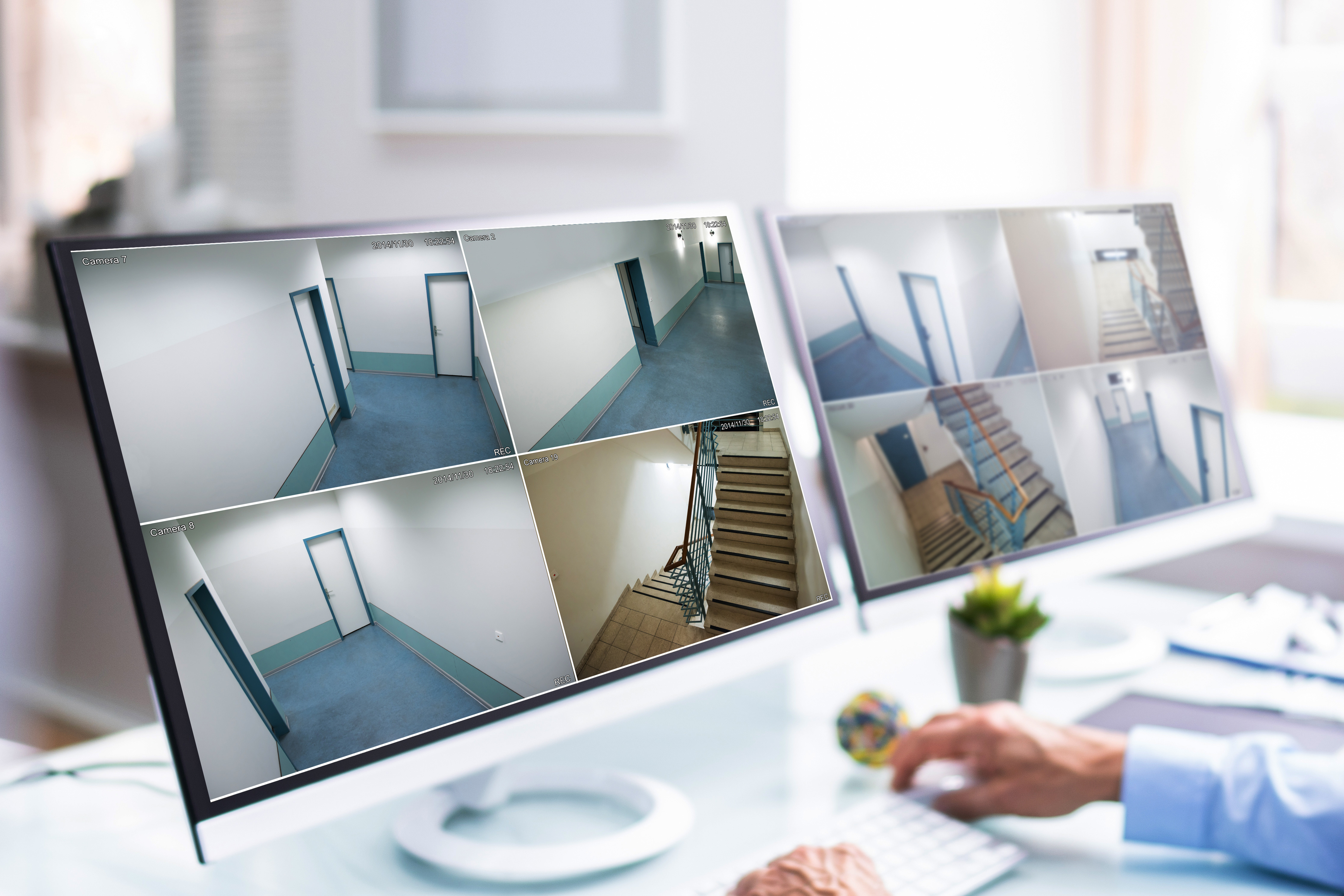

When a security event is detected, most people picture emergency services immediately being alerted and on their way. In reality, there's an important step in between: a professional monitoring center that follows a structured verification process designed to quickly determine what's happening before taking action.
That verification process isn't simply an extra step—it has become a critical part of modern alarm response. Many jurisdictions now require alarms to be verified before police are dispatched, helping reduce false alarms and ensure emergency resources are focused on legitimate incidents.
Here, we'll cover what a professional alarm monitoring center is, how it responds to security events, and why it's an essential part of any alarm verification workflow.
What Is a Professional Alarm Monitoring Center?
A professional alarm monitoring center is a facility that receives security events, verifies the threat level, and coordinates emergency response when necessary. Rather than relying on end users to self-monitor events through an app, professional monitoring centers provide 24/7 alarm monitoring with trained agents who work behind the scenes for security providers and businesses like Noonlight, eliminating the need to build monitoring capabilities from the ground up.
How Do Professional Monitoring Centers Respond to an Alarm?
Professional monitoring begins with a security event that must first be verified. Here's how the verification process works for Noonlight agents after an event is received through our Verify API.
Step 1: Security Event Received
Every security workflow begins with an event, whether it's generated by motion, person, or weapon detection, AI analytics, a sensor trigger, or a panic button. That event is sent to the monitoring center, where the verification process begins.
Step 2: Available Context Reviewed
A trained monitoring agent claims the event and reviews any available contextual information to determine the appropriate next steps. This includes gathering information such as the event type and location, customer information, and any images, video, or live streams available from the connected security product.
The more context available, the faster and more accurately agents can determine whether additional action is needed.
Step 3: Threat Verification
Agents then determine whether the event represents a legitimate threat using the available context. AI acts as the initial filtering layer, eliminating events not showing a person before escalating those that require further human review.
When supported by connected devices, agents can also intervene while an incident is still unfolding using deterrence techniques, like talkdown, through two-way audio-enabled camera products.
Once a threat has been verified, agents notify keyholders via SMS with details about the event and the actions that have been taken.
Step 4: Emergency Services Dispatch
Once a threat has been verified, agents contact and dispatch the appropriate emergency services. By providing dispatchers with context-rich information such as the exact location, building entry details, live video feed, or suspect descriptions, emergency responders can arrive better informed and better prepared to respond.
Step 5: Incident Followed Through Resolution
The role of the monitoring center doesn't end once emergency responders are dispatched. Agents remain engaged throughout the incident, communicating with PSAPs and first responders as needed, documenting the outcome, and providing updates to providers and end users until the event is resolved.
Why 24/7 Professional Alarm Monitoring Matters
Offering 24/7 professional alarm monitoring through your security product isn't just a nice-to-have—it ensures customers receive support whenever an incident occurs, regardless of the time of day.
Professional monitoring provides:
- Around-the-clock protection
- Faster emergency response
- Reduced false alarms and missed events
- Support outside regular business hours
- Consistent, 24/7 staffing by trained monitoring agents
Why Verification Is Critical Before Dispatch
As verified response policies continue to expand, effective verification is becoming increasingly important for security providers. But compliance isn't the only reason it matters.
Confirming that an event represents a genuine emergency before dispatch helps reduce false alarms, preserve emergency resources, and build customer confidence that when emergency responders are sent, the situation truly warrants it.
Noonlight has found that more than 99.4% of reviewed events are low-level threats that don't require emergency dispatch. Identifying those events before emergency services are contacted helps reserve public safety resources for the small percentage of incidents that require immediate intervention while helping end users avoid costly false alarm fines where applicable.
Professional Monitoring vs. Self-Monitoring
If you're looking to add monitoring to your security product, you'll generally choose between two approaches: self-monitoring or professional monitoring.
With self-monitoring, users are responsible for reviewing events, determining whether they represent a genuine threat, and contacting emergency services if necessary.
Professional monitoring shifts that responsibility to trained agents, who verify threats 24/7, coordinate emergency response, and keep users informed throughout the incident. This provides a faster, more consistent response while reducing the burden on end users during stressful situations.

What to Look for in a Professional Monitoring Partner
If you've decided to partner with a professional monitoring provider like Noonlight instead of building these capabilities in-house, you're gaining the benefits of an established monitoring workflow backed by experienced professionals. Here are a few things to look for when evaluating your options.
24/7 Operations
Alarms don't take the night off. In fact, research conducted by TrueLook and Noonlight found that most jobsite break-in activity occurs between 11 p.m. and 3 a.m., especially on weekends. This highlights the importance of partnering with a provider that delivers true 24/7 professional alarm monitoring.
Fast Verification Workflows
Giving customers peace of mind starts with a verification process that's both fast and accurate. Look for a monitoring partner with a proven workflow that enables quick decision-making without sacrificing quality. At Noonlight, the median response time for verification events is just 27 seconds—from receiving a verification request to providing a response.
Flexible Video and Sensor Integration
A monitoring provider should make it easy to integrate professional monitoring into a wide variety of security products, whether that's a panic button, environmental sensor, video monitoring solution, health wearable, or another connected device.
Emergency Dispatch Experience
To deliver the best outcomes for your customers, work with a monitoring provider that has proven experience coordinating emergency response. As more municipalities require alarm verification before dispatch, choosing a partner with established dispatch workflows is becoming increasingly important.
Faster Response Starts with Better Verification
Detection alone isn't enough. What happens next is what matters.
By combining AI-powered technology with trained monitoring agents, professional alarm monitoring helps security providers deliver faster verification, more informed emergency response, and greater confidence for their customers.
Frequently Asked Questions
How do professional monitoring centers respond to an alarm?
Professional monitoring centers follow a structured workflow to quickly determine whether an event represents a real emergency. When an event is received, trained monitoring agents review available information—including sensor data, video, images, AI detections, and account details—to verify the threat. If a legitimate emergency is identified, they coordinate the appropriate emergency response while providing dispatchers with as much relevant context as possible.
What happens after an alarm is triggered?
After an event is received, the monitoring center begins reviewing available information to understand what caused it. Depending on the system, the event may include video footage, sensor activity, AI-generated alerts, or two-way communication. Once the event has been assessed, monitoring agents determine whether emergency services should be dispatched or if no further action is required.
What is professional alarm monitoring?
Professional alarm monitoring is a 24/7 service where trained monitoring agents receive, review, and respond to security events on behalf of security providers and their customers. Rather than relying solely on automated alerts, professional monitoring combines technology and human expertise to verify potential threats, reduce false alarms, and coordinate emergency response when necessary.
Can professional monitoring reduce false alarms?
Yes. Professional monitoring adds a human verification layer before emergency services are contacted. By reviewing video, sensor activity, AI-generated insights, and other event data, monitoring agents can distinguish false alarms from genuine threats. This verification process helps reduce unnecessary dispatches while ensuring real emergencies receive a timely response.
How is professional monitoring different from self-monitoring?
With self-monitoring, event notifications are sent directly to the customer, who is responsible for determining whether an emergency exists and deciding what to do next. Professional monitoring places trained agents in that workflow, providing 24/7 event review, threat verification, and emergency coordination so customers don't have to respond on their own.
What's the difference between alarm monitoring and alarm verification?
Alarm monitoring is the ongoing process of receiving and managing security events, while alarm verification is a critical step within that process. Verification involves reviewing available evidence—such as video, sensor activity, AI detections, or customer information—to determine whether an event represents a legitimate threat before emergency services are dispatched.
.svg)