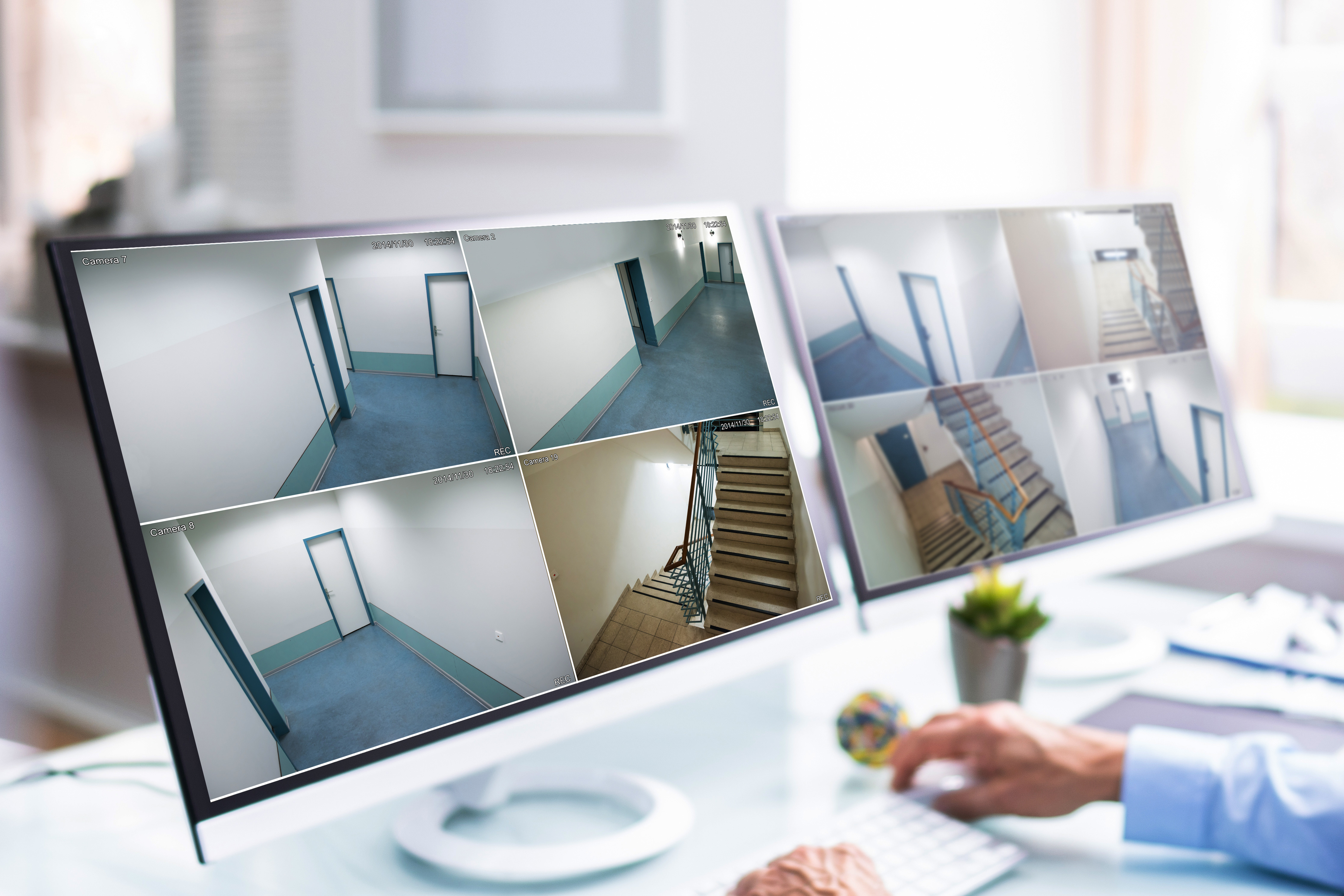

Across the show floor, we saw a wave of innovation in home security, health and wellness, and connected devices. More products than ever can identify that something happened—a fall, a crash, smoke, unusual activity, a threat, or a moment that needs attention. But many solutions still stop short of delivering something people actually need in that moment: trusted, real-world help.
Here are Our Biggest Takeaways from CES 2026.
1) “Detection” Is the New Baseline
From fall detection to fire risk to crash and threat detection, “detection” was everywhere. Devices are becoming more capable at recognizing events through sensors, cameras, and ambient signals—and those capabilities are rapidly moving into everyday household products, not just specialized safety devices.
The message from CES was clear: detection is no longer a differentiator. It’s expected.
What’s changing now is the standard for what comes next.
2) The Real Gap: Escalation and Response
Many companies can successfully identify that an event occurred. But across product categories, the biggest challenge is what happens after that moment:
- Who gets notified?
- How do you prevent false alarms, and how do you validate what’s real?
- What happens when the user can’t respond?
- How do you connect someone to real emergency help?
In too many cases, “response” is limited to sending a notification or alerting a caregiver—useful, but not always sufficient. The next generation of safety products must be built for escalation, trust, and outcomes, not just detection.
3) AI Is Everywhere—But Safety Still Needs Judgment
CES 2026 showcased an explosion of AI-powered products: AI companions, embedded assistants, and “smarter” devices designed to reduce friction and help people manage everyday life.
But in safety and emergency scenarios, we repeatedly saw the same tension:
- AI can filter and prioritize signals
- AI can reduce noise and alert fatigue
- AI can help detect meaningful patterns
But emergency escalation still requires a level of human judgment and operational reliability that many companies aren’t ready to fully automate.
That’s because safety systems must balance speed, accuracy, liability, trust, and the reality that false alarms create real downstream harm.
The future isn’t “AI vs humans.” It’s AI + human-in-the-loop decision-making, designed to deliver the right response at the right time.
4) Premium Subscription Tiers Are Evolving—and Safety Is Leading the Way
A consistent theme across smart home and safety conversations at CES was monetization pressure: many brands are actively looking for credible ways to add value to subscription plans.
Safety-oriented features—like professional monitoring, verified escalation, and emergency response workflows—stand out because they’re highly tangible to consumers and tied to real outcomes.
Safety might not be the only ingredient in a premium tier—but safety integrations are increasingly leading the way because they turn detection into trusted escalation and real-world response. When users understand a premium tier includes meaningful safety support, they’re often more willing to pay for it, especially when it’s delivered with the reliability emergencies demand.
5) Senior Care and Wellness Safety Are Expanding Rapidly
CES also showed major momentum in senior care, fall detection, and broader health/wellness monitoring.
Fall detection remains the dominant use case—but we also saw more creativity and ambition in adjacent areas like:
- Home-based safety support
- Cooking/fire risk prevention
- Cognitive and dementia-adjacent care
- Proactive monitoring designed to prevent emergencies before they happen
This space is growing quickly, and it’s increasingly clear that safety is becoming a core part of how wellness products evolve—especially as the population ages and wants to stay in their home rather than moving to a care facility.
What We’re Watching Next
CES 2026 made one thing clear: the world is building devices that can detect almost anything.
Now the industry is entering the next phase: turning detection into action. The companies that win in this next era will be the ones that can answer: “When something happens—how do we get the right help, fast?”
That’s the future of safety we’re excited to keep building toward.
.svg)